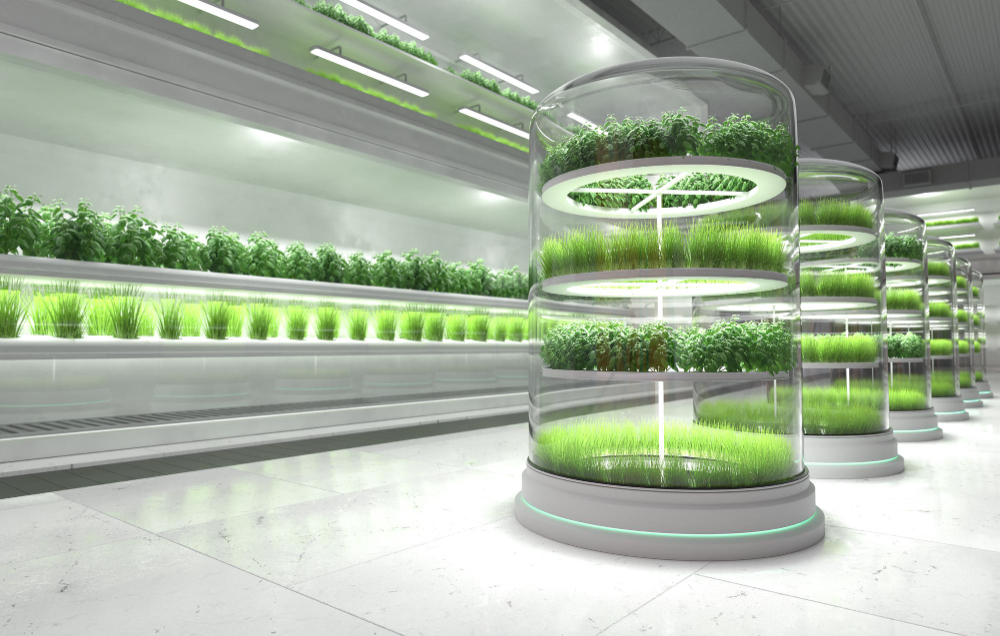
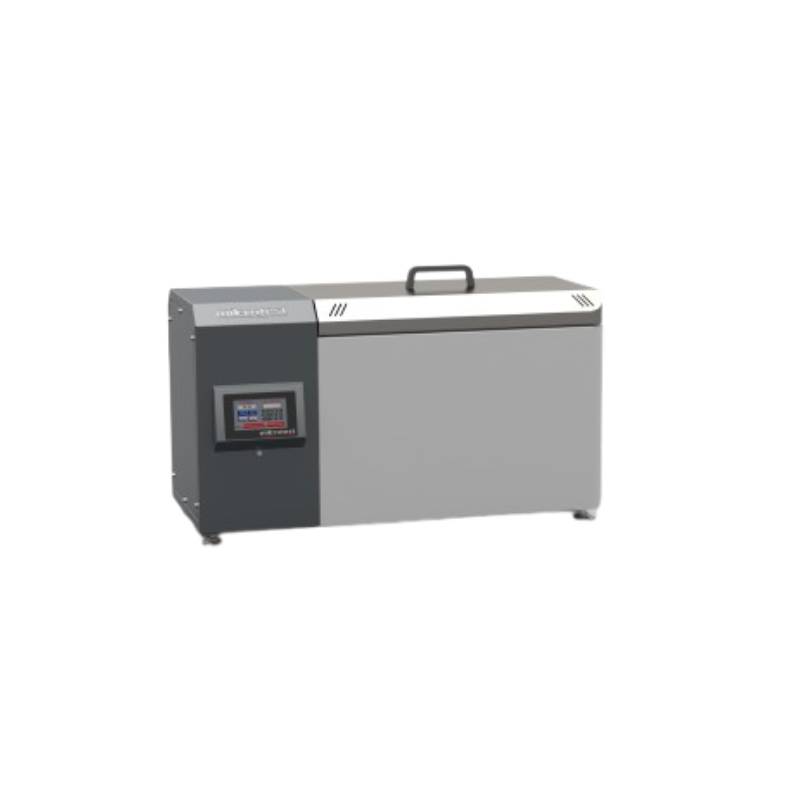
When selecting a climate chamber, the temperature range, relative humidity control, usable internal volume, air circulation, and programming features should be evaluated together. These systems enable samples, products, and materials to be tested, stored, or conditioned under specified environmental conditions.
The main selection criteria include:
- Temperature and humidity ranges suitable for the application
- Precise and stable control system
- Internal volume suitable for sample capacity
- Uniform air circulation
- Programmable test stages
- Alarm and safety features
- Installation, warranty, and technical service support
The right climate chamber should not be selected based solely on total volume; sample dimensions, test duration, shelf arrangement, and planned operating conditions should also be taken into account.
Where Are Climate Chambers Used?
Climate chambers can be used in research laboratories, quality control units, manufacturing facilities, food laboratories, agricultural research centers, packaging laboratories, and material testing units. Controlled temperature and humidity conditions help ensure that different sample groups can be evaluated under repeatable environmental conditions.
Common applications include product durability testing, shelf-life studies, material conditioning, sample storage, packaging evaluation, and environmental resistance testing. The quantity and dimensions of the products to be tested directly affect the required chamber capacity.
By defining your organization’s test conditions and sample capacity, you can request technical product information for suitable climate chamber options.
Climate Chamber Selection Table
| Evaluation Area |
Feature to Look For |
Benefit |
| Temperature control |
Precise and programmable operation |
Stable test conditions |
| Humidity management |
Adjustable relative humidity control |
Controlled environmental conditions |
| Internal volume |
Capacity suitable for sample quantity |
Efficient use of space |
| Air circulation |
Uniform internal air distribution |
Consistency between samples |
| Control panel |
Easy programming and monitoring |
Process management |
| Safety system |
Alarm and protection features |
Test reliability |
| Shelf system |
Adjustable and durable configuration |
Compatibility with different samples |
When comparing products, usable internal space, shelf capacity, door design, electrical requirements, and maintenance accessibility should be evaluated alongside the external dimensions.
Climate Chamber Solutions with Micro Test Instruments
Micro Test Instruments, a Turkish brand, offers climate chamber solutions for different laboratory and production requirements. When selecting a model, target temperature and humidity values, test duration, sample capacity, and installation area should be considered together.
During procurement, delivery, installation, user guidance, warranty coverage, maintenance planning, and technical service availability should be clearly evaluated. Properly defining technical requirements makes it easier to select a system that can deliver efficient long-term operation.
Technical Evaluation Before the Project
Before placing an order, sample dimensions, daily testing capacity, target environmental conditions, and programming requirements should be determined. The electrical infrastructure, ventilation, and equipment accessibility of the installation area should also be checked.
By reviewing Micro Test Instruments climate chamber options, you can request technical information and a corporate quotation for a system that matches your organization’s testing processes.