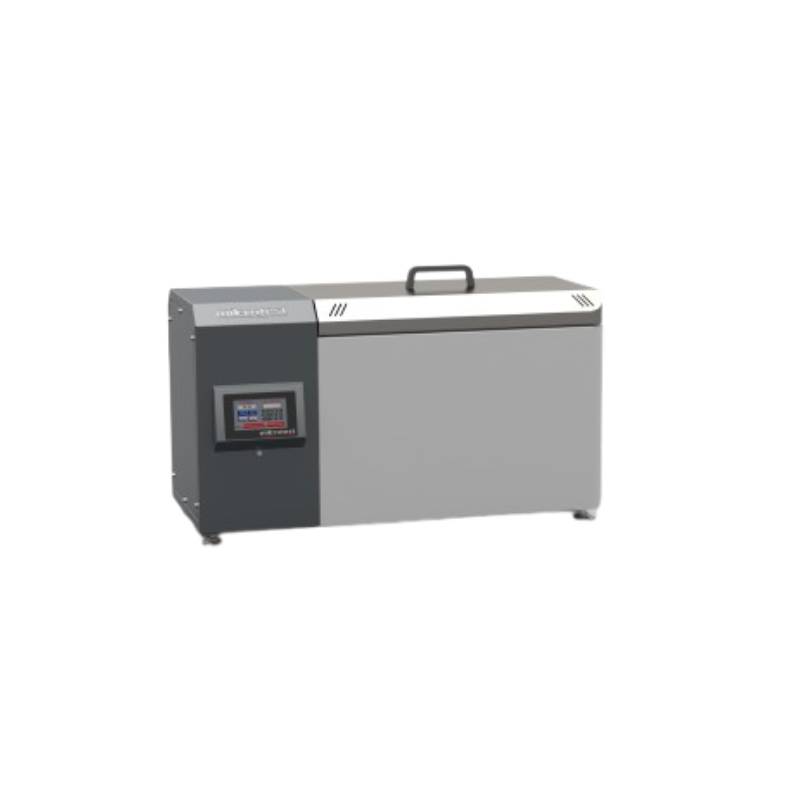
Stable Temperature Control and Sample Management in Laboratory Incubators

When selecting laboratory incubators, the temperature range, control accuracy, usable internal volume, air circulation, and safety features should be evaluated together. The unit should not only reach the target temperature but also maintain the specified conditions consistently throughout the operating period.
The main selection criteria include:
- Temperature range suitable for the application
- Precise and stable control system
- Internal volume suitable for sample capacity
- Uniform air distribution
- Adjustable shelf configuration
- Easy-to-clean interior surfaces
- Alarm, warranty, and technical service support
Choosing the right incubator helps ensure that samples are maintained under controlled conditions, workflows proceed according to plan, and applications can be carried out with repeatable conditions.
Where Are Laboratory Incubators Used?
Laboratory incubators are used in microbiology, biology, food analysis, quality control, education, research, and production laboratories. Common applications include culture growth, maintaining samples at specified temperatures, conducting test procedures, and controlled incubation.
When selecting a unit, the dimensions of sample containers, daily workload, and operating duration should be considered. An undersized chamber may restrict workflow, while excessive capacity may result in inefficient use of laboratory space.
By determining your laboratory’s sample capacity and application conditions, you can request technical product information for suitable model options.
Laboratory Incubator Selection Table
| Evaluation Area | Feature to Look For | Benefit |
|---|---|---|
| Temperature control | Precise and programmable operation | Stable operating conditions |
| Internal volume | Capacity suitable for the daily number of samples | Organized workflow |
| Air circulation | Uniform temperature distribution | Consistency between samples |
| Shelf system | Adjustable shelf spacing | Compatibility with different containers |
| Interior surface | Durable and easy-to-clean construction | Easier maintenance |
| Safety system | Temperature deviation and alarm monitoring | Process safety |
| Technical support | Access to service and spare parts | Operational continuity |
When comparing products, not only the external dimensions but also the usable internal space, door design, control panel, and electrical requirements should be evaluated.
Incubator Selection with Micro Test Instruments
Micro Test Instruments, a Turkish brand, offers laboratory incubators designed for different laboratory capacities and application requirements. When evaluating a model, temperature control, chamber volume, shelf configuration, ease of use, and maintenance requirements should be considered together.
During procurement, delivery, installation, user guidance, warranty coverage, technical service contact, and spare parts support should be clearly defined. Matching the technical specifications with the organization’s actual operating conditions supports a more appropriate equipment investment.
Installation and Procurement Process
Before placing an order, the installation area, electrical infrastructure, door opening clearance, and ventilation conditions should be checked. Samples inside the incubator should be arranged so that they do not obstruct air circulation, and the shelf capacity should not be exceeded.
By reviewing Micro Test Instruments laboratory incubators, you can request technical information and a corporate quotation for a model that matches your organization’s sample capacity and workflow.
Controlled Test Environments with Climate Chambers: How to Choose the Right System

Laboratory Growth Chamber: Applications, Features, and Selection Criteria

Temperature Uniformity and Efficient Operating Conditions in Laboratory Ovens