
How to Choose a Refrigerated Circulator for a Laboratory
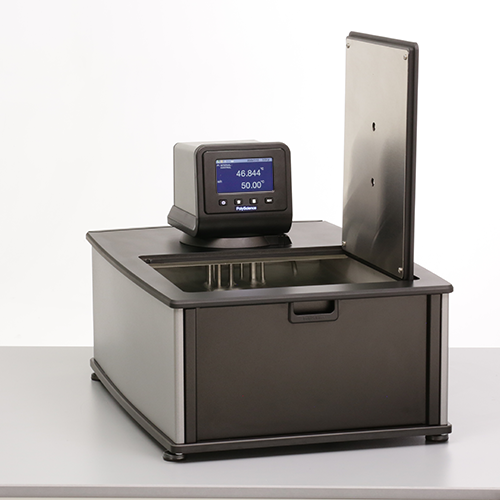
When choosing a refrigerated circulator, the operating temperature range, temperature stability, pump capacity, bath volume, and control system should be evaluated together. These devices maintain liquids at a specified temperature and circulate them to external systems in a controlled manner for laboratory applications.
The main selection criteria include:
- Temperature range suitable for the application
- Precise and stable temperature control
- Adequate pump pressure and flow rate
- Usable bath volume
- Digital control and safety features
- Installation, maintenance, and technical service support
The right refrigerated circulator improves operational continuity in applications such as sample preparation, reaction temperature control, equipment cooling, and process support. The technical specifications of the unit should be matched to the laboratory’s actual operating conditions.
Applications of Refrigerated Circulators
Refrigerated circulators are used in research laboratories, quality control departments, chemistry laboratories, manufacturing facilities, and educational institutions. These devices can control the temperature of the liquid in their own bath while also circulating liquid to external equipment through suitable connections.
Common applications include viscosity studies, conditioning of reaction vessels, cooling analytical instruments, maintaining sample temperature, and controlled bath applications.
By determining the capacity that best matches your laboratory’s intended use, you can request detailed information about suitable technical product options.
Comparison of Technical Specifications
| Evaluation Area | Feature to Look For | Benefit |
|---|---|---|
| Temperature range | Lower and upper limits suitable for the application | Compatibility with different processes |
| Temperature stability | Low-deviation temperature control | Repeatable results |
| Pump capacity | Suitable flow rate and pressure | Stable liquid circulation |
| Bath volume | Capacity suitable for daily workload | Efficient operation |
| Control panel | Easy programming and monitoring | Ease of use |
| Safety system | Overtemperature and liquid level control | Equipment safety |
If the unit will be connected to an external system, hose diameter, connection points, circulation distance, and height differences should also be checked. Insufficient pump capacity may prevent the liquid from circulating consistently throughout the system.
Product Selection with Micro Test Instruments
Micro Test Instruments, a Turkish brand, offers refrigerated circulator options designed for different laboratory temperature-control requirements. Product evaluation should focus not only on the temperature range but also on pump performance, bath capacity, control accuracy, and maintenance requirements.
During procurement, equipment dimensions, electrical requirements, connection options, warranty coverage, and technical service procedures should be reviewed in writing. User guidance and spare-parts availability are also important indicators of reliability for long-term operation.
Technical Checklist Before Purchase
Before purchasing a refrigerated circulator, the type of fluid to be used, target temperature, daily operating duration, and need for external connections should be determined. The ventilation and electrical infrastructure of the installation area should also be compatible with the equipment’s technical requirements.
By evaluating Micro Test Instruments products, you can request technical information and a corporate quotation for a refrigerated circulator that matches your laboratory’s operating capacity.

Controlled Test Environments with Climate Chambers: How to Choose the Right System

Laboratory Growth Chamber: Applications, Features, and Selection Criteria

Stable Temperature Control and Sample Management in Laboratory Incubators
