
Laboratory Equipment Selection Guide
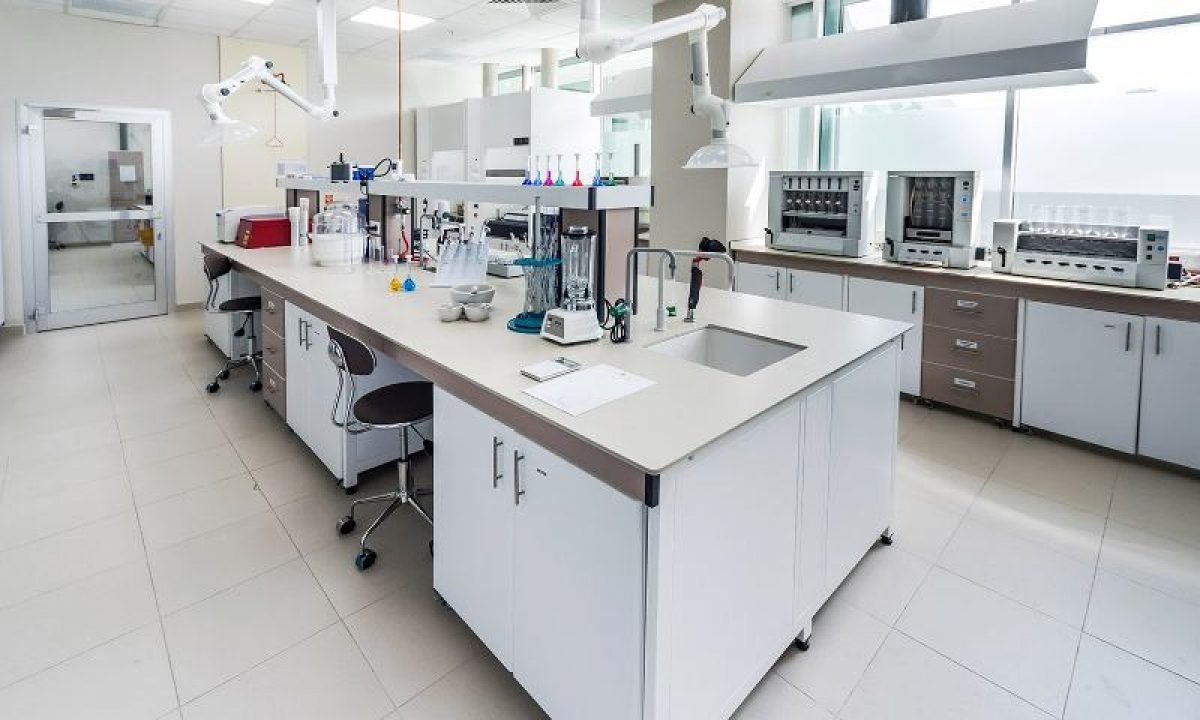
When selecting laboratory equipment, intended use, processing capacity, technical specifications, material quality, and after-sales support should be evaluated together. Choosing the right equipment supports the smooth progression of analytical processes, efficient use of workspace, and user safety.
The main evaluation criteria include:
- The laboratory’s field of activity and daily workload
- Equipment capacity, dimensions, and technical specifications
- Durable and easy-to-clean materials
- Ease of use and safety features
- Installation, maintenance, and technical service coverage
Laboratory equipment is not limited to analytical instruments. Workbenches, safety cabinets, sterilization equipment, measuring instruments, auxiliary tools, and consumables are also important components of an efficient laboratory setup.
Scope of Laboratory Equipment
The equipment required may vary depending on the laboratory’s field of activity. Analytical, research, quality control, educational, and production laboratories may require solutions with different capacities and technical specifications.
Common laboratory equipment includes incubators, dry heat sterilizers, precision balances, centrifuges, microscopes, shakers, water distillers, and microbiological safety cabinets.
| Equipment Group | Intended Use | Key Selection Criterion |
|---|---|---|
| Measuring instruments | Weighing and measurement procedures | Accuracy and capacity |
| Heating equipment | Drying and sterilization | Temperature control |
| Analytical instruments | Sample examination and analysis | Application compatibility |
| Safety equipment | Personnel and sample protection | Scope of protection |
| Water systems | Controlled water production | Production capacity |
| Auxiliary equipment | Routine laboratory procedures | Ease of use |
Technical Priorities in Equipment Selection
Equipment should not be selected solely on the basis of product name or external appearance. Usable internal volume, electrical requirements, operating range, control panel, alarm systems, and maintenance conditions should be examined in detail.
The following information should be requested during the purchasing process:
- Detailed technical specifications
- Internal and external dimensions
- Installation requirements
- Warranty and technical service coverage
- Spare parts availability
- User information and training support
Proper technical planning helps ensure that different types of equipment can be used safely and efficiently within the same laboratory.
Laboratory Solutions with Micro Test Instruments
Micro Test Instruments, a Turkish brand, offers equipment and device options for a wide range of laboratory requirements. When evaluating products, the laboratory’s type of operation, daily workload, available space, and technical infrastructure should be considered together.
When comparing microbiological safety cabinets, dry heat sterilizers, water distillers, and similar laboratory solutions, ease of use and technical service coverage should be considered alongside equipment capacity.
Checklist for Proper Laboratory Setup
Before purchasing laboratory equipment, the equipment list, layout plan, electrical infrastructure, ventilation conditions, and workspace dimensions should be reviewed together. Equipment should be positioned so that individual devices do not interfere with one another’s operation or workflow.
By evaluating the product options offered by Micro Test Instruments, laboratories can identify equipment suited to their capacity, application area, and workflow. Preparing a detailed technical requirements list during the institutional procurement process supports both accurate equipment selection and long-term operational efficiency.

Controlled Test Environments with Climate Chambers: How to Choose the Right System

Laboratory Growth Chamber: Applications, Features, and Selection Criteria

Stable Temperature Control and Sample Management in Laboratory Incubators
