
Laminar Flow Cabinet Selection Guide: Filter, Airflow, and Work Area
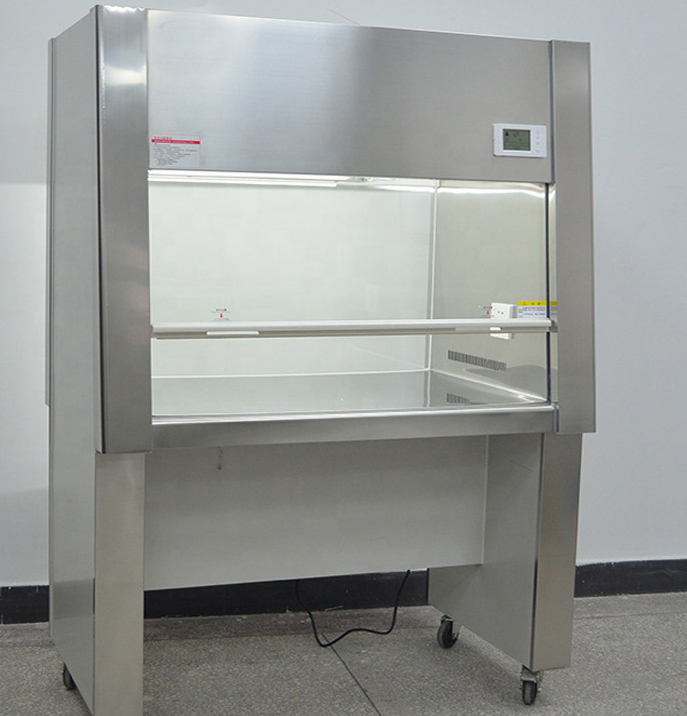
A laminar flow cabinet is laboratory equipment that directs filtered air uniformly across the work area. It helps protect products, samples, and work surfaces from airborne particles.
The following criteria should be evaluated together when selecting a unit:
- Width of the work area
- Airflow configuration
- Filtration system
- Interior surface material
- Control and warning features
- Installation and technical service coverage
Laminar flow cabinets are particularly suitable for sample preparation, product filling, culture procedures, and laboratory applications that require a clean working environment.
Product Scope According to Application
Laminar flow cabinets can be used in research laboratories, quality control departments, educational institutions, healthcare facilities, and production laboratories. Filtered airflow helps limit the amount of particles from the surrounding environment that can reach the work surface.
These units are primarily designed to protect the product and the work area. In biological applications where personnel, environmental, and sample protection are all required, microbiological safety cabinets suitable for the specific risk should be considered instead.
When determining cabinet width, the equipment, sample containers, and user movement space required inside the cabinet should be taken into account. An undersized work area may cause materials to obstruct the airflow.
Laminar Flow Cabinet Selection Criteria
| Evaluation Area | Feature to Look For | Benefit |
|---|---|---|
| Working width | Dimensions suitable for the workload | Comfortable and organized operation |
| Airflow | Balanced distribution | Controlled working environment |
| Filtration system | High-efficiency filtration | Particle control |
| Work surface | Easy-to-clean metal construction | Easier maintenance and hygiene |
| Control panel | Clear indicators and warnings | Safer operation |
| Technical support | Access to service and spare parts | Operational continuity |
When comparing products, external dimensions should not be the only consideration. Usable internal space, front opening, lighting, noise level, electrical requirements, and filter maintenance conditions should also be evaluated.
By determining your laboratory’s type of operation and available space, you can request technical product information for the most suitable cabinet capacity.
Product Selection with Micro Test Instruments
Micro Test Instruments, a Turkish brand, offers laminar airflow cabinet options designed for different working widths and laboratory requirements. When selecting a model, the working volume, airflow configuration, surface characteristics, and laboratory layout should be evaluated together.
During the procurement process, installation conditions, user guidance, warranty coverage, maintenance requirements, and technical service procedures should be reviewed in writing. Easy management of filter replacement and cleaning procedures is important for long-term operation.
Technical Checklist Before Purchase
Before placing an order, the installation area, electrical infrastructure, and the position of doors and ventilation outlets should be checked. Locations with strong air currents may negatively affect the uniform airflow inside the cabinet.
By reviewing Micro Test Instruments product options, you can request technical information and a corporate quotation for a laminar flow cabinet suitable for your workspace and application requirements.

Controlled Test Environments with Climate Chambers: How to Choose the Right System

Laboratory Growth Chamber: Applications, Features, and Selection Criteria

Stable Temperature Control and Sample Management in Laboratory Incubators
