
What Is a Microbiological Safety Cabinet? A Key Element of Safe Laboratory Work Select 87 more words to run Humanizer.
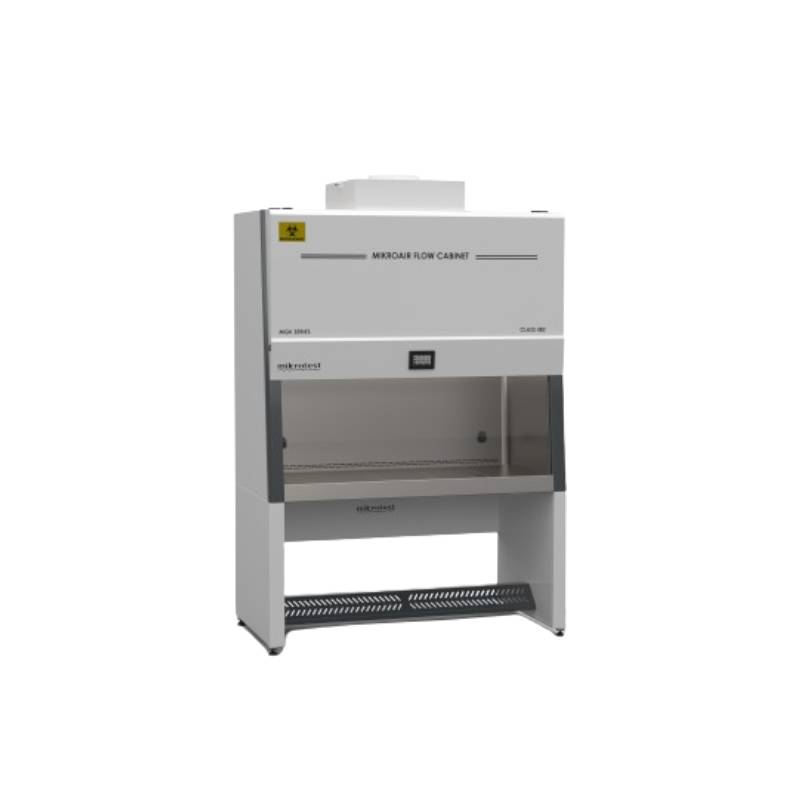
A microbiological safety cabinet is an engineering control that helps protect personnel, the product, and the laboratory environment by containing aerosols and splashes that may occur during procedures involving biological samples through controlled airflow and by passing the air through high-efficiency particulate air (HEPA) filters.
The main evaluation criteria are:
- The risk level of the biological agent being handled
- The likelihood of aerosol or splash generation during the procedure
- The level of protection required for personnel, the product, and the environment
- Airflow, filter integrity, and alarm systems
- User training, decontamination, and maintenance procedures
A microbiological safety cabinet does not replace safe working practices or personal protective equipment. Effective protection depends on using the cabinet together with written procedures, trained personnel, appropriate placement, and regular performance verification.
How Does a Microbiological Safety Cabinet Work?
A microbiological safety cabinet draws air inward through the front opening in a controlled manner, helping to limit the release of biological particles from the work area into the laboratory environment. Filtered vertical airflow inside the cabinet also helps protect samples from environmental contaminants.
HEPA filters are defined as being capable of capturing at least 99.97% of particles approximately 0.3 micrometers in diameter. A portion of the filtered air may be recirculated within the cabinet, while the remaining air may be discharged into the room or directed to an exhaust system depending on the cabinet design.
The protective performance of a microbiological safety cabinet depends not only on the filter but also on maintaining stable airflow.
Blocking the front or rear air grilles with materials, making rapid hand movements inside the cabinet, or positioning the unit in an area with strong air currents can disrupt the protective air barrier. For this reason, work materials should be arranged so that they do not obstruct air inlets, and movements inside the cabinet should be controlled.
What Are the Classes of Microbiological Safety Cabinets?
Microbiological safety cabinets are divided into three main classes according to the type of protection they provide. The correct class should be selected based on a risk assessment specific to the procedure rather than solely on the name or general activity of the laboratory.
| Cabinet Class | Personnel Protection | Product Protection | Environmental Protection | Primary Application |
|---|---|---|---|---|
| Class I | Yes | No | Yes | Removal and containment of biological aerosols to protect personnel and the environment |
| Class II | Yes | Yes | Yes | Microbiology, cell culture, and biological sample handling |
| Class III | Yes | Yes | Yes | Highly controlled work requiring a fully enclosed system |
In Class I cabinets, room air enters through the front opening and is filtered before being exhausted. However, there is no filtered vertical airflow to protect the sample from room air.
Class II cabinets have a broader range of laboratory applications because they provide personnel, product, and environmental protection simultaneously. In some Class II configurations, approximately 70% of the filtered air is recirculated within the cabinet, while around 30% is exhausted.
Class III cabinets create a completely enclosed working chamber with glove ports. This design limits direct contact between the work area and the laboratory environment.
Applications and Differences from Similar Cabinets
A microbiological safety cabinet is used for procedures that may generate aerosols or splashes, including culture inoculation, pipetting, sample mixing, opening sealed centrifuge containers, cell culture work, and transferring biological materials. The three-way protection provided by Class II cabinets supports the protection of personnel, the material being handled, and the laboratory environment within the same work process.
A biological safety cabinet, a laminar airflow cabinet designed primarily for product protection, and a fume hood are not the same type of equipment. A product-protection cabinet directs filtered air toward the sample but may not protect personnel from biological aerosols. A fume hood, on the other hand, is designed to remove chemical gases and vapors.
The type of hazard involved in the work—not the physical appearance of the cabinet—should determine equipment selection.
HEPA filters capture particles; they do not neutralize gases or chemical vapors. For this reason, procedures involving volatile chemicals should not be performed in a microbiological safety cabinet unless the cabinet has been specifically designed for that purpose.
Microbiological Safety Cabinet Selection Criteria
Cabinet selection should be based on six main factors: biological risk, type of procedure, required level of protection, working width, airflow management, and the technical service plan. Focusing only on the external dimensions or work surface is not sufficient for safe equipment selection.
The following features should be evaluated:
- The scope of personnel, product, and environmental protection
- The configuration of air recirculation and exhaust
- Airflow indicators and audible and visual alarm systems
- Cleanable work surfaces and an ergonomically designed front opening
- Accessibility for filter replacement and maintenance
- Installation, user training, and performance verification plans
Turkey-based Mikro Test Cihazları offers Class II Type A, Class II Type B, laminar airflow cabinets, and Class III options under the Mikrotest brand. When evaluating a brand or model, the product name alone should not be the deciding factor; the laboratory workflow, biological risks, and ventilation infrastructure should be matched with the technical specifications of the cabinet.
When determining cabinet dimensions, the equipment, sample containers, waste bins, and consumables that will be used simultaneously should be taken into account. A work area that is too small may cause air grilles to become obstructed and disrupt the separation between clean and contaminated areas. An unnecessarily large cabinet, meanwhile, may complicate laboratory layout, energy use, and maintenance planning.
Safe Use Checklist
Proper use is intended to maintain uninterrupted protective airflow within the cabinet. User errors may prevent even a technically suitable cabinet from providing the expected level of protection.
- The cabinet should be positioned away from doors, windows, ventilation outlets, and areas of heavy personnel traffic that could affect airflow.
- Before starting work, the fan should be switched on and allowed to run for at least five minutes to establish safe airflow.
- The work surface should be decontaminated with an appropriate product, and only necessary materials should be placed inside the cabinet.
- Clean materials and processed or contaminated materials should be kept in separate areas.
- The front and rear air grilles should not be blocked, and arms should be moved into and out of the cabinet slowly.
- In the event of a spill or alarm, the institution's written response procedure should be followed.
- After the procedure is completed, the work surface should be cleaned and the fan should continue running for at least five minutes.
The internal arrangement of the cabinet should support a one-way workflow from the clean area to the working area and then to the waste area.
Unnecessary materials should not be allowed to accumulate inside the cabinet during work. Placing too many boxes, bottles, or devices inside the cabinet can alter airflow and reduce protective performance. The waste container should be positioned so that it does not require long arm movements during the procedure while also ensuring that it does not block the air grilles.
Why Are Maintenance and Performance Verification Necessary?
A cabinet that appears to be operating normally may fail to provide adequate protection if its airflow or filter integrity has deteriorated. Performance testing should be carried out after initial installation, whenever the cabinet is relocated, after filter replacement, following repairs, and at defined periodic intervals.
Testing may include filter leak testing, measurement of inflow and downflow velocities, smoke visualization of airflow direction, alarm system checks, and cabinet integrity assessment. Appropriate decontamination should be carried out before filter replacement or maintenance procedures that require access to internal sections of the cabinet.
The fact that the cabinet fan is running does not mean that its protective performance has been verified.
Maintenance records should include the inspection date, measurement results, identified nonconformities, corrective actions taken, and the responsible person. These records make it possible to track recurring faults and manage laboratory safety in a measurable and traceable manner.
It is also important that users understand the cabinet's alarm systems. Alarms related to airflow, front sash position, or filter condition should not be ignored. Continuing work without identifying the cause of an alarm may create risks for both personnel and sample safety.
Key Components of Institutional Laboratory Safety
The effective use of a microbiological safety cabinet depends on more than the cabinet's technical specifications. An institutional safety system should combine risk assessment, user training, written procedures, personal protective equipment, waste management, and regular technical inspections.
Laboratories should establish controls in the following areas:
- A biological risk assessment should be performed before each procedure.
- Cabinet class and placement should be compatible with airflow conditions in the laboratory.
- Users should receive training in correct working practices, spill response, and decontamination.
- Airflow, filter, and alarm inspections should be documented.
- Personal protective equipment, waste management, and incident reporting should be incorporated into cabinet procedures.
A microbiological safety cabinet should not be regarded as a stand-alone protective device but as part of the laboratory's overall safety management system. A properly selected cabinet that is installed in an appropriate location and regularly inspected contributes to protecting personnel health, reducing the risk of cross-contamination, and maintaining the reliability of laboratory testing and analytical processes.

Controlled Test Environments with Climate Chambers: How to Choose the Right System

Laboratory Growth Chamber: Applications, Features, and Selection Criteria

Stable Temperature Control and Sample Management in Laboratory Incubators
