What Should You Consider When Choosing a Water Distiller?

What Should You Consider When Choosing a Water Distiller?
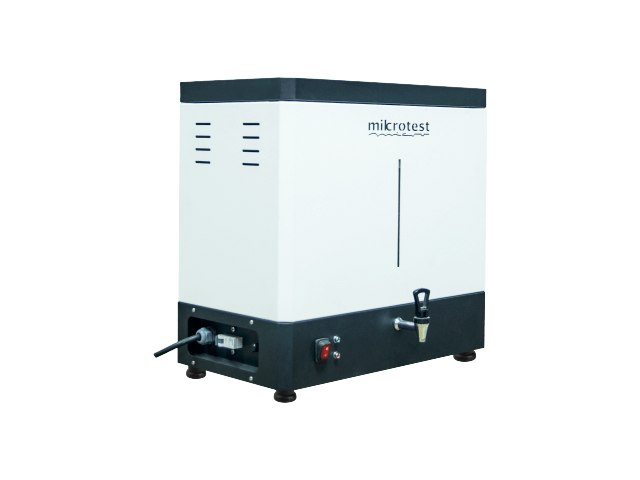
 

When choosing a water distiller, hourly production capacity, reservoir volume, body material, energy control, and safety features should be evaluated together. Selecting a capacity that matches the laboratory’s daily water demand is important for uninterrupted operation and efficient use of resources.

The main selection criteria are:

  • Production capacity suitable for daily distilled water demand
  • Corrosion-resistant internal surfaces and heating elements
  • Automatic water supply and safety controls
  • Easy cleaning and maintenance
  • Installation, warranty, and technical service support

Water distillers are used for laboratory analyses, solution preparation, rinsing laboratory glassware, and various processes that require controlled water quality. Equipment selection should be based on the intended application and operating capacity.

Water Distiller Selection Criteria

The right water distiller should consistently meet the laboratory’s required water volume. Selecting insufficient capacity may slow down laboratory processes, while excessive capacity may lead to inefficient equipment use.

Evaluation Area Feature to Look For Benefit to the Organization
Production capacity Output suitable for hourly demand Uninterrupted water supply
Internal surface Durable and easy-to-clean construction Longer service life
Water control Automatic feed system Consistent operation
Safety Protection against dry running Equipment safety
Maintenance Accessible internal components Easier cleaning
Technical support Access to service and spare parts Operational continuity

When comparing products, attention should be given not only to the external dimensions of the unit but also to its actual production capacity and operating conditions. A requirements list covering laboratory usage intensity and daily water consumption can help determine the appropriate technical specifications.

Applications and Operational Advantages

Water distillers can be used in analytical laboratories, healthcare facilities, educational institutions, quality control departments, food laboratories, and manufacturing facilities. The unit heats water until it evaporates and then converts the vapor back into liquid through a condensation section.

The suitability of the resulting distilled water should be evaluated according to its intended application. For sensitive analyses or applications requiring specific purity levels, the laboratory’s own quality control procedures should be followed.

Producing distilled water on-site can simplify supply planning, reduce storage requirements, and provide laboratories with greater control over their water consumption.

Product Selection with Mikro Test Cihazları

Mikro Test Cihazları, a Turkish brand, offers water distiller options designed for different laboratory capacities. When evaluating a product, production capacity, unit dimensions, water connection requirements, electrical requirements, and maintenance conditions should be considered together.

The following information should be requested in writing during the procurement process:

  1. Hourly production capacity
  2. Body and internal surface materials
  3. Safety features
  4. Installation requirements
  5. Warranty and technical service coverage

Technical Priorities for the Right Selection

Before purchasing a water distiller, daily consumption, installation space, water inlet conditions, and electrical infrastructure should be verified. A regular cleaning and maintenance plan should also be included in the operating procedure.

You can review Mikro Test Cihazları water distillers and request technical product information to identify the model that best matches your laboratory’s production capacity and workflow.

E-Catalog